How Preventive Maintenance Can Save You Money
Key Takeaways
- Preventive maintenance lowers the risk and costs of surprise repairs.
- Consistent care maximizes the operational life of systems and equipment.
- Well-maintained assets are more energy-efficient, reducing ongoing expenses.
- Reduced downtime and smoother operations contribute to higher productivity and customer satisfaction.
Table of Contents
- Introduction
- Understanding Preventive Maintenance
- Cost Savings Through Regular Upkeep
- Extending Equipment Lifespan
- Enhancing Energy Efficiency
- Reducing Downtime and Increasing Productivity
- Implementing an Effective Preventive Maintenance Plan
- Conclusion
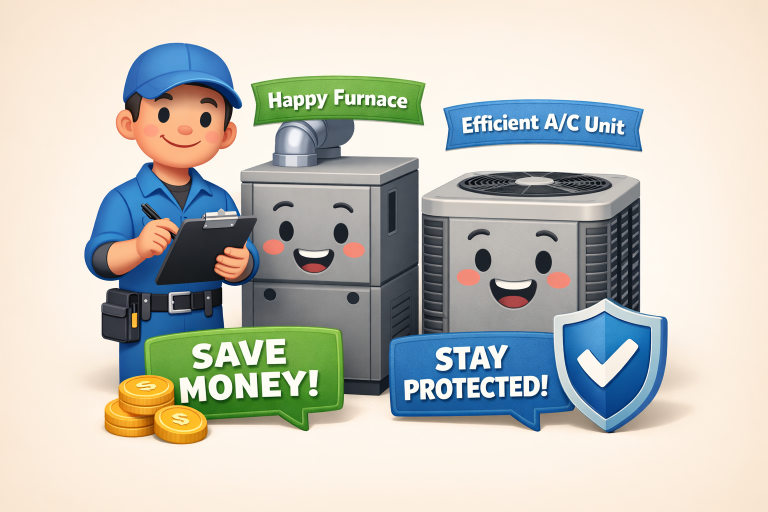
Today’s homes and businesses rely on numerous systems and pieces of equipment to function efficiently, from HVAC units and plumbing to machinery and electronics. The success of keeping these assets running well often comes down to maintenance strategies. A proactive approach to care, especially preventive maintenance, goes a long way toward cutting costs and minimizing headaches from breakdowns and emergency repairs. Whether you are a homeowner looking to avoid costly surprises or a business aiming to protect your bottom line, adopting preventive care best practices can yield substantial savings. For those looking for professional help, reliable furnace installation and AC services in Salt Lake City can make all the difference in system performance and longevity.
Major industry studies repeatedly show that organizations and individuals who plan maintenance are less likely to experience unplanned failures. Regular check-ups, detailed record-keeping, and day-to-day awareness allow you to spot and address minor issues before they escalate into costly emergencies. Ultimately, the money saved through structured upkeep often far outweighs the upfront cost of preventive maintenance routines.
Introduction
Equipment breakdowns rarely occur at convenient times. Whether the failure involves a furnace during a cold snap or production machinery during a peak order cycle, the results can be both costly and disruptive. Implementing preventive maintenance practices minimizes such risks, providing peace of mind and financial benefits by avoiding emergency response calls, costly replacements, and lost business opportunities. This strategy focuses on acting before a breakdown happens. By routinely checking equipment, replacing worn parts, and documenting observations, both homeowners and business owners can anticipate potential failure points and take timely corrective action.
Understanding Preventive Maintenance
Preventive maintenance is a proactive process that involves routine inspections, adjustments, and repairs performed at scheduled intervals. Unlike reactive maintenance, which only acts after something fails, preventive care emphasizes anticipation and prevention. Industries ranging from healthcare to manufacturing to property management rely on structured routines to minimize downtime, avoid critical system failures, and manage long-term expenses. Understanding the difference between reactive and preventive maintenance is the first step to achieving more consistent performance from any asset.
Cost Savings Through Regular Upkeep
The financial benefits of preventive maintenance are well documented. Facilities that prioritize regular maintenance typically spend 25–30 percent less on major repairs than those that operate with a reactive approach. Unattended wear and tear on components such as belts, filters, and electrical connections may lead to system-wide failures, driving up emergency repair bills and decreasing overall asset value. Moreover, regular upkeep often results in lower insurance premiums due to the reduced risk of claims.
Extending Equipment Lifespan
By proactively addressing minor and routine issues, preventive maintenance helps extend the life of expensive equipment. Skipping scheduled upkeep often means small, avoidable issues turn into big problems that may require full system replacement long before the manufacturer’s anticipated end-of-life. For industries or homeowners interested in preserving the value of HVAC systems, elevators, or even home appliances, keeping to a scheduled maintenance program saves money in the long run while ensuring dependable performance year after year.
Enhancing Energy Efficiency
Well-maintained equipment performs more closely to its design specifications, which usually translates into higher energy efficiency and lower operating costs. Clogged filters, misaligned components, and dirty coils force systems like HVAC units or refrigeration compressors to work harder, using more energy for the same output. In contrast, regular tune-ups allow systems to operate efficiently, cutting utility expenses and lowering a building’s environmental impact. These savings are especially substantial for large businesses and multifamily properties.
Reducing Downtime and Increasing Productivity
Unplanned outages disrupt workflows and can lead to missed deadlines and dissatisfied customers. Preventive maintenance helps maintain a steady operating rhythm. By catching potential problems during scheduled inspections, teams can repair or replace failing parts before they disrupt daily routines. In industrial settings, this proactive care translates into fewer operational delays and a more predictable budget for repair costs. For service-based or customer-focused organizations, reduced downtime correlates directly with higher customer satisfaction and repeat business.
Implementing an Effective Preventive Maintenance Plan
- Start by developing a schedule based on specific manufacturer recommendations, system usage rates, and unique building or operational needs.
- Ensure all staff or residents who interact with key equipment are trained to notice early warning signs, such as unusual noises or reduced performance.
- Keep thorough records of all inspections, repairs, and component replacements. This log provides a historical perspective, helping you strategize future maintenance and anticipate upcoming costs.
- Regularly review your plan, making adjustments as systems age or as new issues emerge from previous inspections.
Conclusion
Choosing to invest time and resources in preventive maintenance is a strategic move for any property owner, manager, or business leader. Beyond immediate cost savings, this approach leads to fewer emergencies, longer system life, improved energy efficiency, and higher staff or tenant satisfaction. Remaining proactive with maintenance is one of the simplest yet most powerful ways to protect your financial health and peace of mind in the long term.
Related Posts




Sign up with your email and always get notifed of zerodevicesnet Lifestyles latest news!